Instructions for brushing teeth

Regular brushing is one of the most important things you can do for your teeth. Brushing protects teeth from plaque that causes cavities, it also removes stains and protects against gum disease and freshens breath. To get the most out of this activity, it is important to brush your teeth for a total of two minutes, two times a day. If you have dental braces or another dental condition, your doctor may recommend brushing them more often, such as after meals. Proper brushing, along with a healthy diet, regular check-ups, and cleaning, can help prevent tooth decay and other oral health problems, which can help you spend less time and money on the dentist.
You'll need:
- Toothbrush
- Fluoride toothpaste
- Dental floss
Steps to follow:
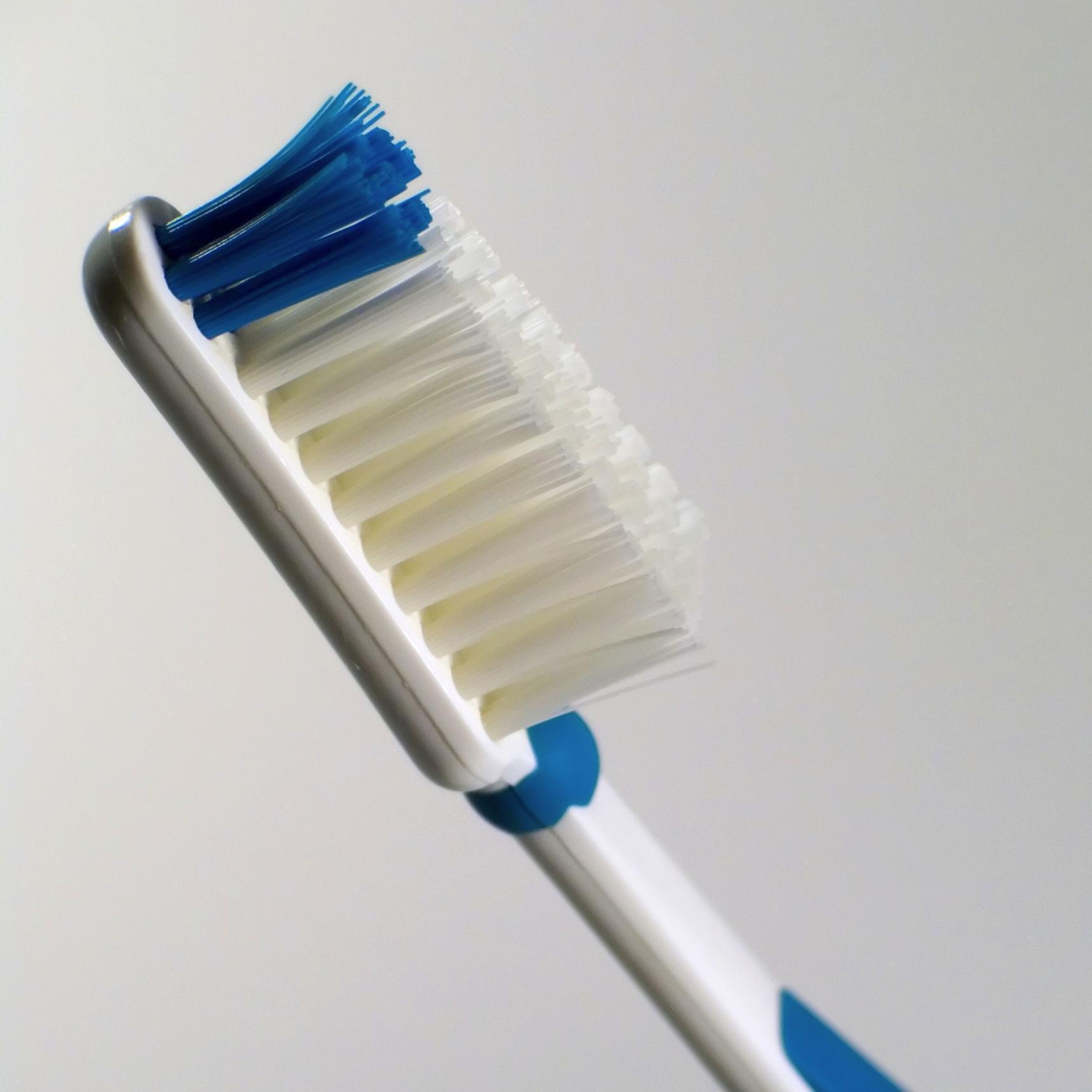
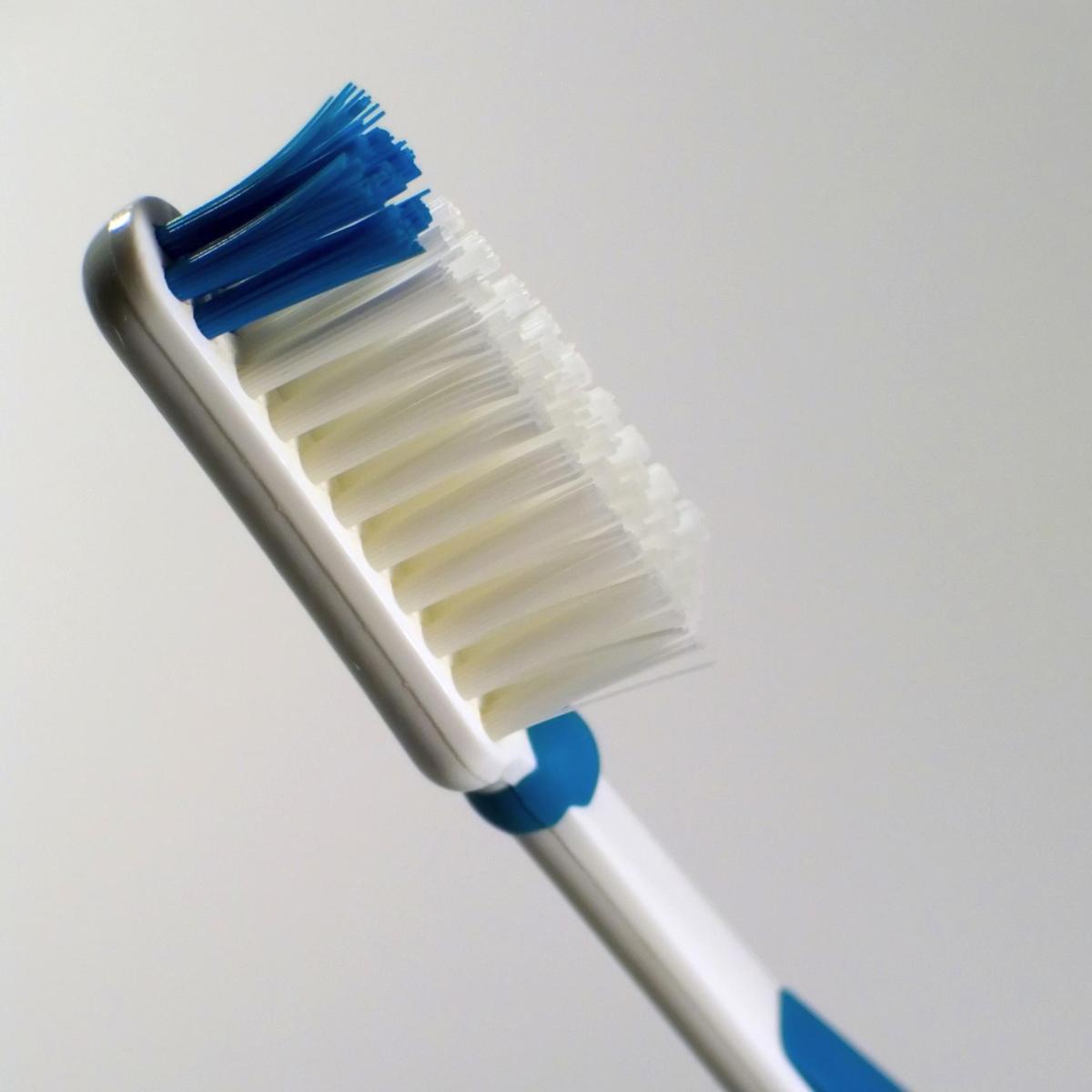
Choose an appropriate toothbrush to fit the size and shape of your mouth. Your dentist can recommend some options if necessary. Use a soft brush and change it every three or four months, or when the bristles start to fray. It is important to select a toothbrush that can reach all areas of your mouth comfortably.
Wet the toothbrush with water and apply a bit of toothpaste with fluoride, approximately one centimetre of toothpaste. Fluoride strengthens teeth and helps prevent tooth decay. Choosing a toothpaste that contains fluoride is crucial, as it plays a significant role in maintaining dental health.
Insert the toothbrush in the mouth and keep it at a 45-degree angle against the gums. This angle helps ensure that you clean both the teeth and the gum line effectively, preventing plaque buildup and gum disease.
Move the brush back and forth in short strokes, making sure the brush runs over the gum line to the chewing surface of each tooth. Firmly press the brush against the teeth, but avoid scraping as this may damage teeth or gums. It's important to be gentle yet thorough.
Use the motion described in step 3 to brush the outer, inner, and chewing surfaces of teeth. Pay special attention to the back teeth, which can be easily missed. Ensuring all surfaces are clean helps prevent cavities and maintains overall oral hygiene.
Use a gentle sweeping motion to brush your tongue, inner cheeks, and the roof of the mouth. Bacteria can build up on these surfaces, causing bad breath. Cleaning these areas helps maintain fresh breath and reduces bacterial growth.
Brush your teeth in gentle circular movements. Do so tooth by tooth. This technique can effectively remove plaque and is gentle on the gums. Circular motions help to ensure that each tooth is cleaned thoroughly.
Continue brushing for two full minutes. Repeat brushing twice daily or as recommended by your dentist. A timer can be a useful tool to ensure you brush for the full duration, maximizing the benefits of your oral care routine.
Floss to clean the space between the teeth. Flossing is essential for removing food particles and plaque that your toothbrush can't reach, helping to prevent cavities and gum disease. Ensure you floss gently to avoid damaging your gums.
Rinse your mouth with water or antimicrobial mouth rinse, if you wish. Rinse your toothbrush with water and allow it to air dry. Using a mouth rinse can help reduce bacteria and freshen breath, while air-drying your toothbrush prevents bacteria growth on the bristles.
If you want to read similar articles to Instructions for brushing teeth, we recommend you visit our Learning category.
- Toothbrushes (American Dental Association)
- How to keep your teeth clean (NHS)
- About Fluoride (Centers for Disease Control and Prevention)