What Are the Phases of the Moon

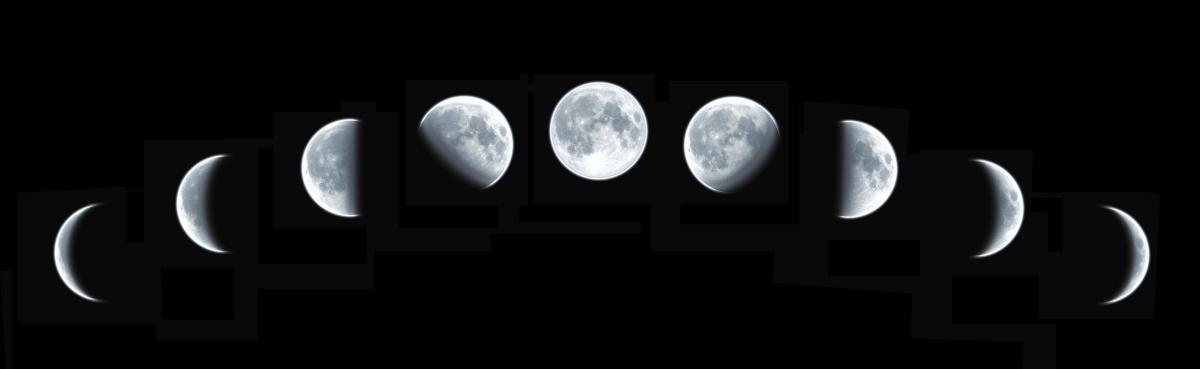
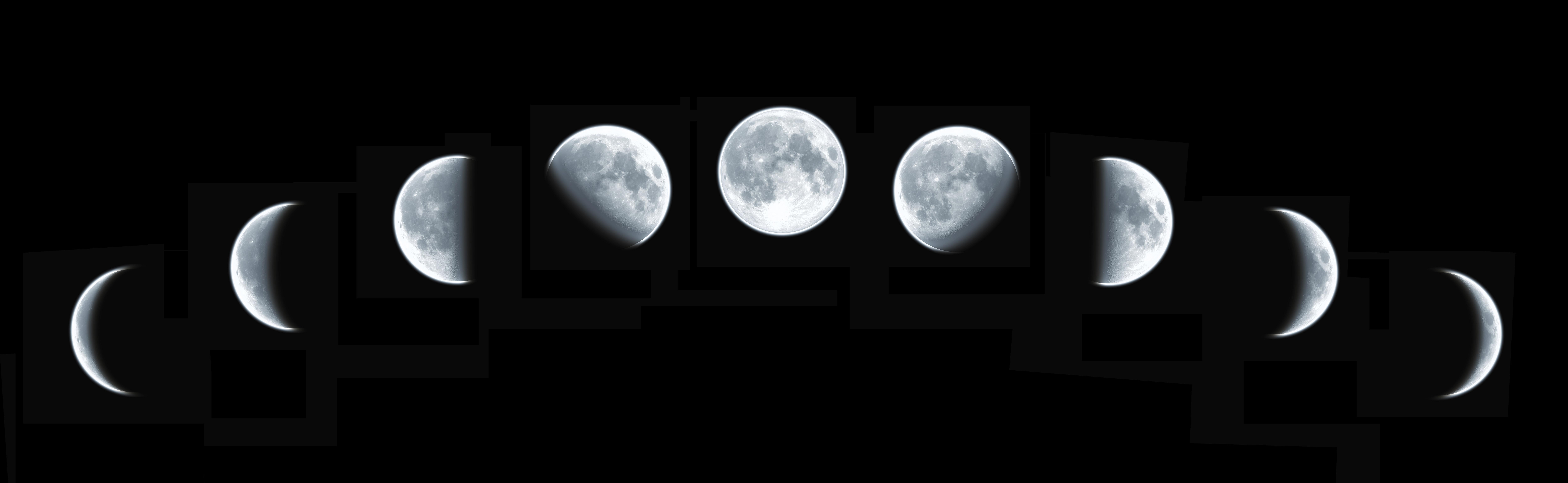
The moon revolves around the Earth presenting different visual aspects according to its position relative to the sun. This interaction between the movements of the sun, the moon and the earth give rise to the moon cycle. In a year the moon will complete thirteen cycles, each having a duration of 29 days. These lunar months are divided into moon phases or quarters. But what are the phases of the moon? At OneHowTo we show them to you.
Steps to follow:
The picture below seems a little complex to start with, but it's easy to understand. It shows how the light from the Sun comes from the right. The Earth, of course, is in the center of the diagram. The moon is shown in its 8 main phases while turning around the Earth. The pointed line from the Earth to the Moon represents the vision line from where you see the moon.
To help you understand how the Moon appears, you'll see the lunar circle, where you'll see a bigger image of what the Moon looks like from Earth at each stage. An important thing to highlight is that exactly one half of the Moon is illuminated by the Sun. Of course, this is perfectly logical. At certain times you can see both the part illuminated by the Sun and the dark side of the Moon, which is what creates the several phases. You should also take into account that the dark side is invisible to the naked eye.
Moreover, the moon phases are not only fascinating to observe but also hold cultural and historical significance across different civilizations. For instance, many ancient cultures used the lunar calendar to mark time, and still today, the moon phases influence various cultural and religious festivals around the world.

The new moon or first quarter, is a phase of the moon that occurs when the sun and moon are in conjunction or close together, i.e., at only a few degrees from one another. Therefore, the moon is not visible because it rises on the horizon together with the sun.
During the new moon phase, the gravitational forces of the sun and the moon combine, resulting in higher tides, known as spring tides. This phase marks the beginning of the lunar cycle and is often associated with new beginnings and fresh starts in various traditions.
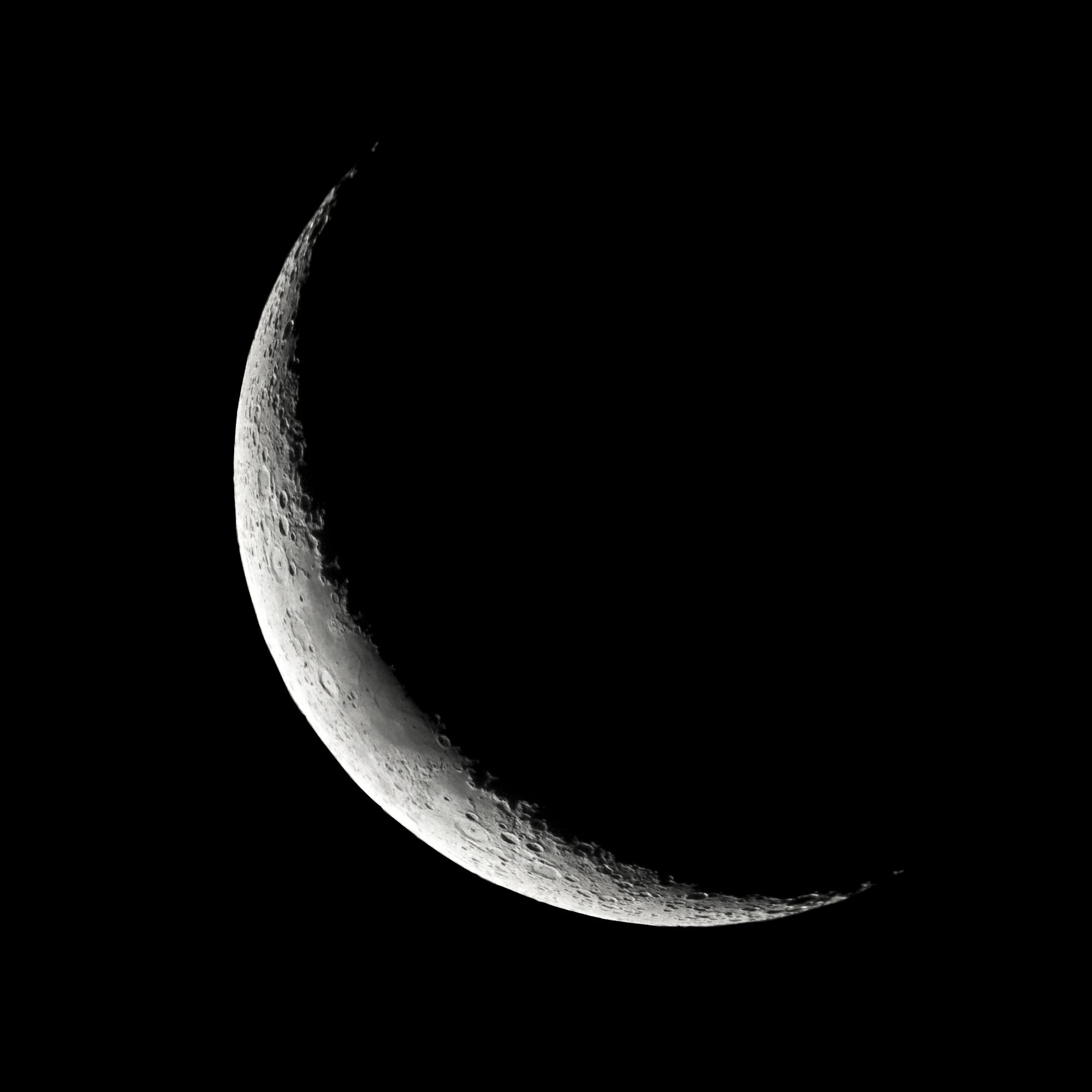
The crescent or second quarter occurs when the sun and the moon are at an angle of about 90 degrees. At this time we can see the moon as a D or a crescent. This is because the sun is only capable of illuminating one side of the moon. Also, this rises around noon and sets around midnight.
In this phase, the waxing crescent moon gradually becomes more visible, symbolizing growth and progress. It is a time when light begins to increase, making it a great period for setting intentions and focusing on personal development.

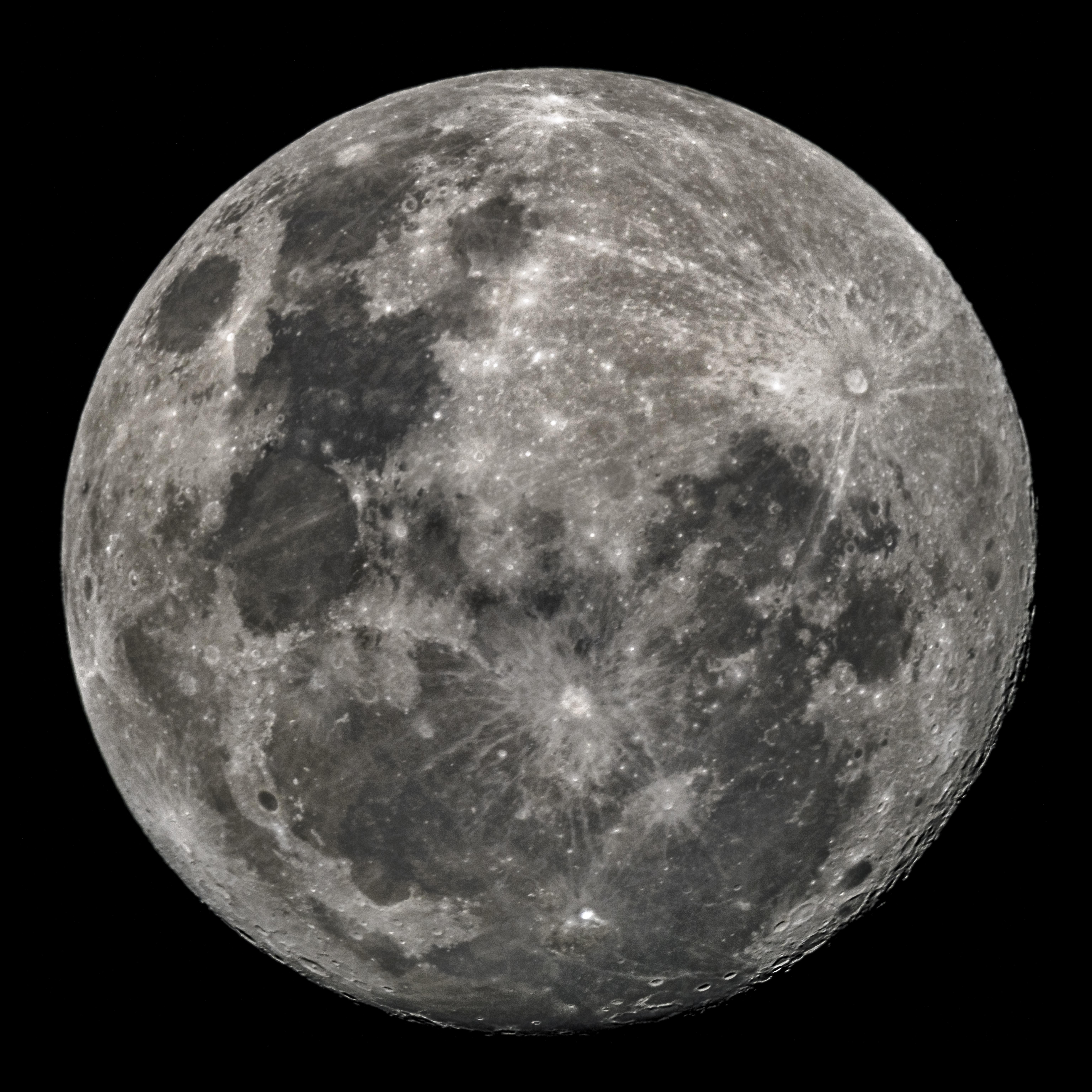
The full moon or third quarter is the phase of the moon which happens when the sun and moon are in opposite positions in the sky, separated by a distance of 180 degrees. During this lunar phase, the sun illuminates the entire front face of the moon. Therefore we see a full round moon appear at dusk and will rise through the night.
The full moon is often associated with heightened emotions and energy. It is believed to be a time of culmination and fulfillment, where the intentions set during the new moon come to fruition. Many cultures hold ceremonies or rituals during the full moon to harness its powerful energy.

Lastly, we have a moon phase called waning moon. This happens when the sun and moon are at an angle of 90 degrees again. On this occasion, the face that lights up is the other side, forming instead of a D, a C-like shape. During this phase of the moon, it rises around midnight and reaches its highest position during sunrise.
The waning moon is a period of reflection and release. As the light decreases, it's an ideal time to let go of what no longer serves you, completing the lunar cycle. This phase encourages introspection and preparing for the new beginnings that the upcoming new moon will bring.

If you want to read similar articles to What Are the Phases of the Moon, we recommend you visit our Learning category.