What are the Seven Forms of Fine Arts

Throughout history, art has been intrinsically linked to human life, serving as a means of expression and as a universal language in which beauty and aesthetics prevail. It was in Ancient Greece where the division emerged between the high arts, created to be appreciated with the eyes and ears, and lesser forms of art which were more tactile. Of the higher arts, six are known today as fine arts, plus one that has been added during the twentieth century.
The ancient Greeks were the ones who created the base, but the first time the term fine arts was coined was in the fifteenth century by Charles Batteaux, who used this to define all these art forms with just two words.
Want to know more about this topic? In OneHowTo we explain what the seven forms of fine art are.
Architecture
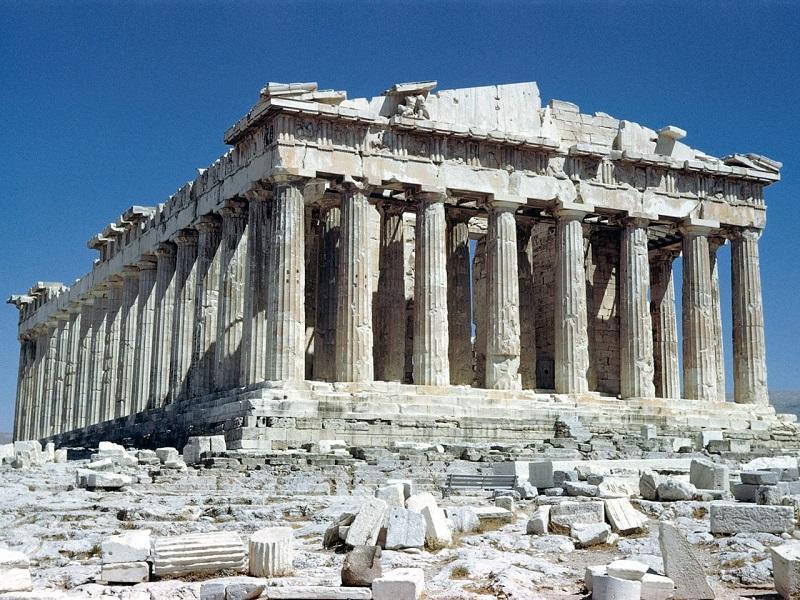
Architecture is the first of the fine arts, due to the ingenuity and great use of aesthetics required to create buildings that are harmonious with space and endure over time. For the ancient Greeks, with monumental buildings like the Parthenon and architects like Parmenio, who was tasked with erecting Alexandria, architecture was one of the most fundamental aspects of its civilization and art in the making. Architecture not only encompasses the design and construction of buildings but also reflects the culture, values, and technological advancements of the society that produces it, making it an integral part of human history and development.

Sculpture
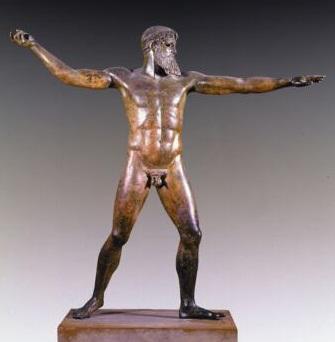
Sculpture is another of the 7 forms of fine art. The capacity to use this ability to create 3D shapes and forms has been recognized since ancient times, and today it is still considered one of the primary forms of art. Sculptures can be made out of any material and can be created by carving, assembling, molding, casting, and more. Michelangelo, one of the most renowned sculptors, once said, "I saw the angel in the marble and carved until I set him free," highlighting the transformative power of sculpture. This art form allows artists to convey emotions, stories, and concepts through the manipulation of physical materials, creating works that can endure for centuries.

Painting
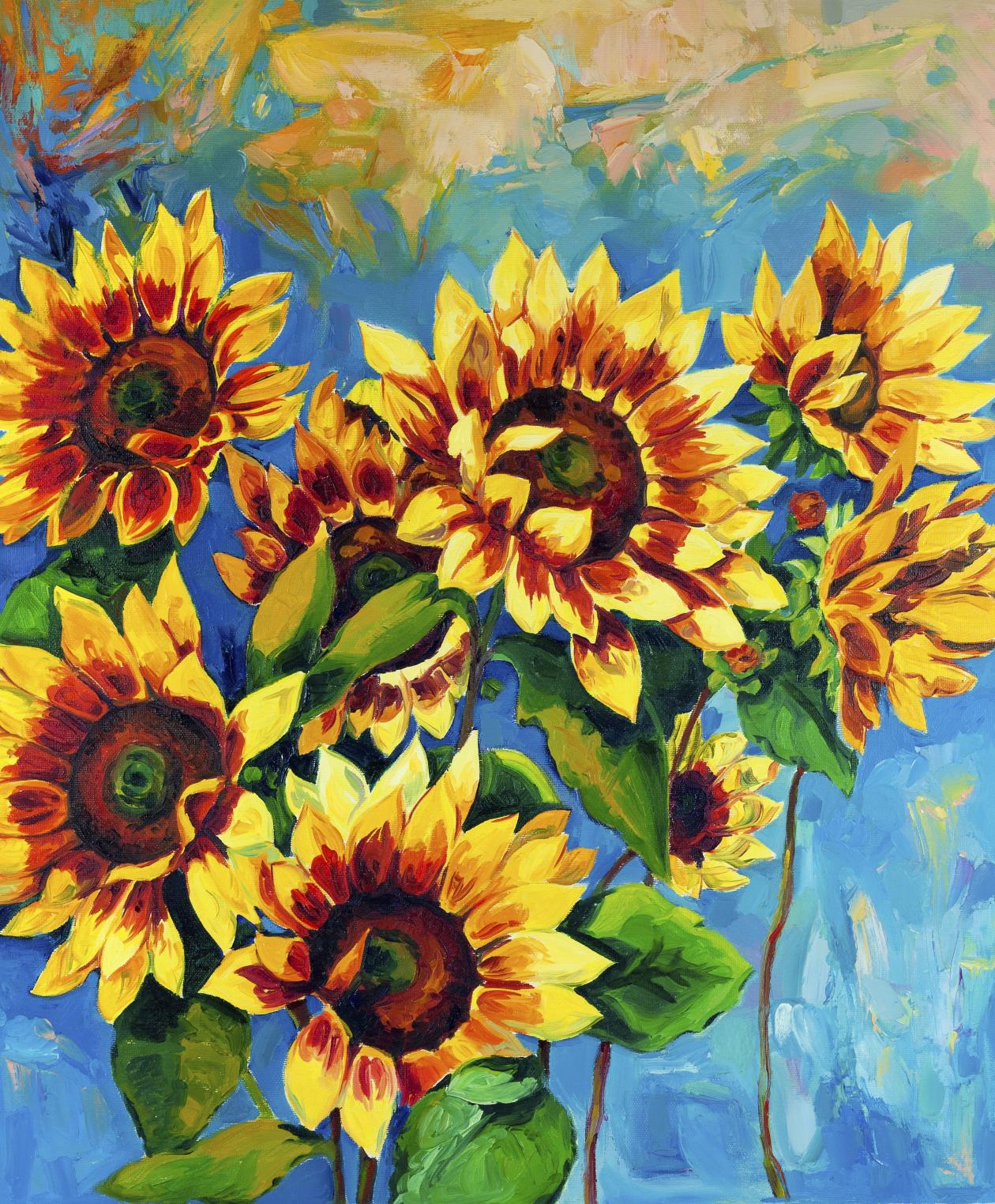
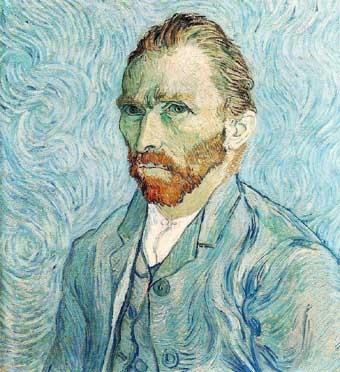
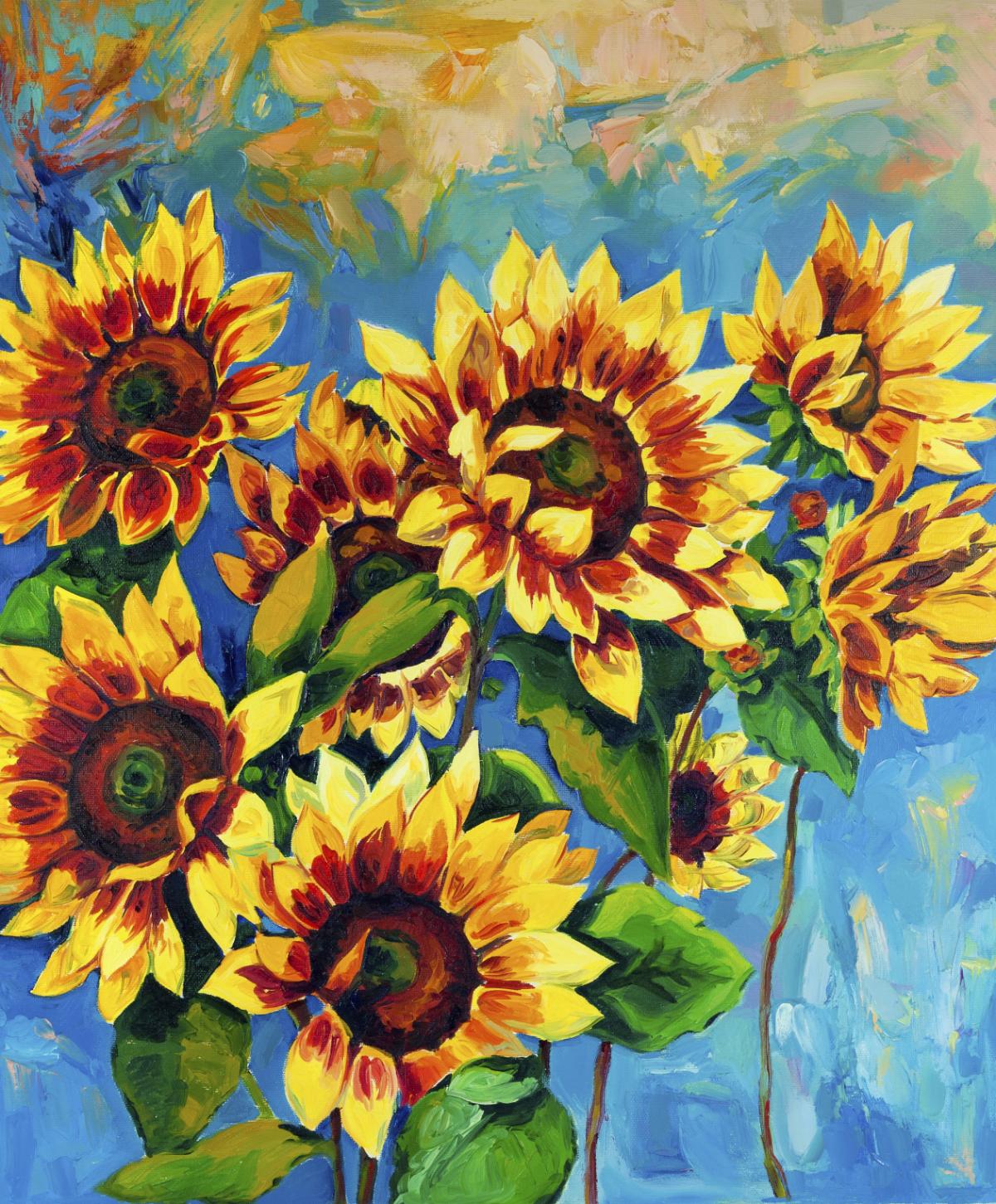
Amongst the 7 forms of fine art, painting is perhaps one of the most recognized disciplines. Since antiquity, people have used it as a form of expression and a mechanism to capture reality. Throughout history, there have been hundreds of famous artists, so it is no wonder that today it remains one of the most popular and appreciated fine arts. Paintings can evoke emotions, tell stories, and provoke thought, often reflecting the social, political, and cultural contexts of their time. From the intricate details of Renaissance masterpieces to the bold strokes of Impressionism, painting continues to evolve, offering endless possibilities for creativity and innovation.

Music
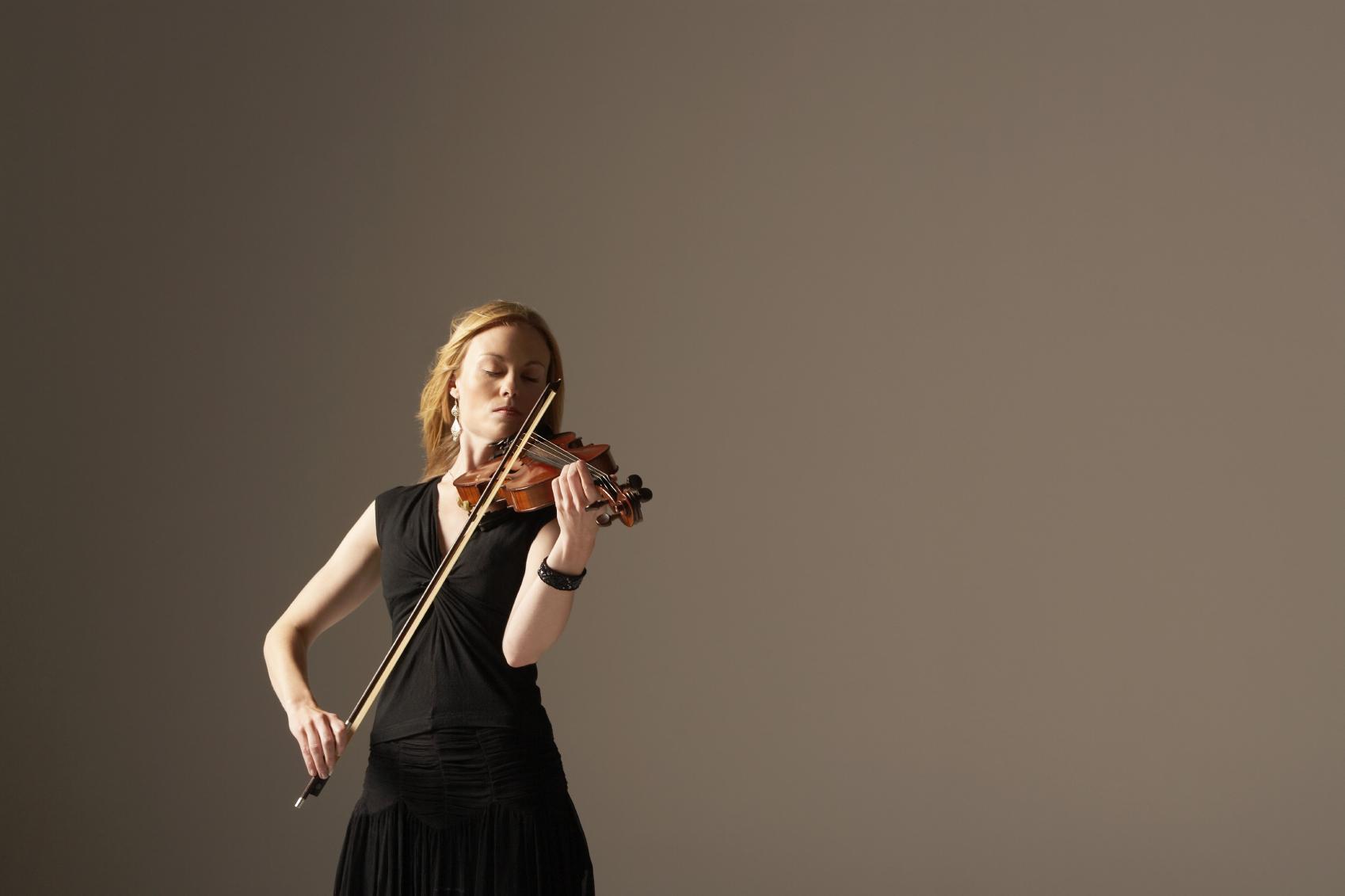
The ability to use instruments to create beautiful sounds makes music unequivocally one of the seven fine arts. This form of creation has accompanied humanity from its existence, being a form of communication but also an art that, above all, generates pleasure. This is one of the most down-to-earth approaches to fine art. Music transcends cultural and linguistic barriers, providing a universal medium through which people can connect and share experiences. From classical symphonies to modern genres like rock and jazz, music continually evolves, reflecting the diversity and dynamism of human culture.

Literature
Literature is an art form that draws upon the use of words for creation. Although we say that it is only literature that is a fine art, poetry is also included in this form. Both have offered invaluable contributions to humanity, with pieces and authors that are undoubtedly works of art in themselves. This art form captures the depth of human experience, exploring themes of love, conflict, identity, and more through various genres and styles. Literature not only entertains but also educates, offering insights into different cultures, historical periods, and philosophical ideas.

Dance
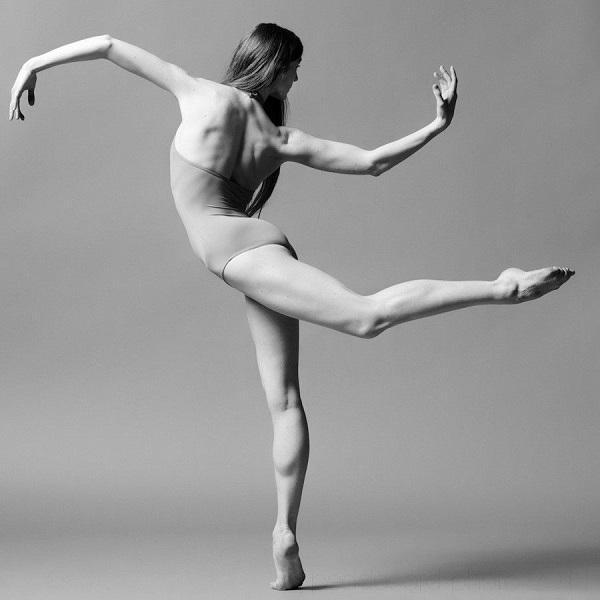
Dance is part of the 7 fine arts due to the use of vigorous movements of the body to the beat of music, and this serves as one of the most aesthetic means of expression that we can enjoy. Dance is used as a form of expression, spiritual interaction, social connection, and non-verbal communication. From the elegant movements of ballet to the energetic rhythms of contemporary dance, this art form encompasses a wide range of styles and techniques. Dance not only entertains but also conveys emotions and stories, allowing performers and audiences alike to engage in a shared artistic experience.

Theatre
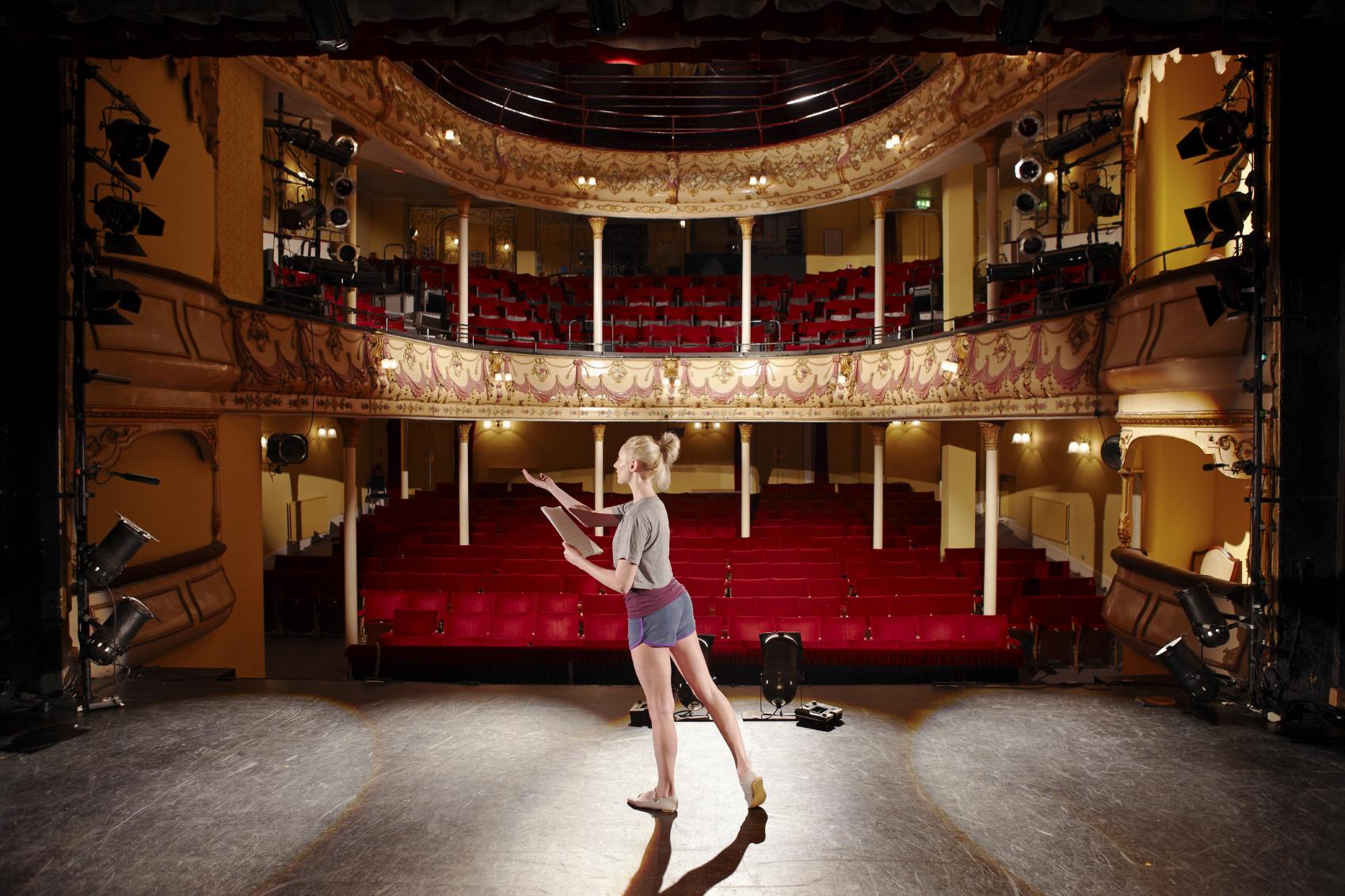
Undoubtedly, theatre has a perfect mix of skills involved, from the writing to the scenery, direction, and interpretation of the actors. This practice was already popular in Greek and Roman civilizations and has been used not only as a way of passing messages through but as a way to express emotions. Though Shakespeare's plays may be classified as literature, who can say every single one of the interpretations of Hamlet isn't a work of art? Theatre combines multiple disciplines, including acting, set design, costume design, and more, to create a powerful and immersive experience. It allows for the exploration of complex themes and the portrayal of diverse characters, making it a dynamic and influential form of art.

Cinema
Last but not least is the seventh art: Cinema. It was added to this list in the twentieth century by Ricciotto Canudo, theorist and film critic, who in his 1911 'Manifesto of the seven arts' coined the term seventh art to include film amongst the fine arts. Today it is one of the most popular means of artistic expression in the world, with audiovisual pieces of great value that are considered classics among scholars and film buffs. Cinema combines elements of other art forms, such as visual storytelling, music, and performance, to create a unique and compelling medium. It has the power to entertain, educate, and inspire, making it an essential part of contemporary culture.

If you want to read similar articles to What are the Seven Forms of Fine Arts, we recommend you visit our Learning category.