Significance of a Bindi on Your Forehead

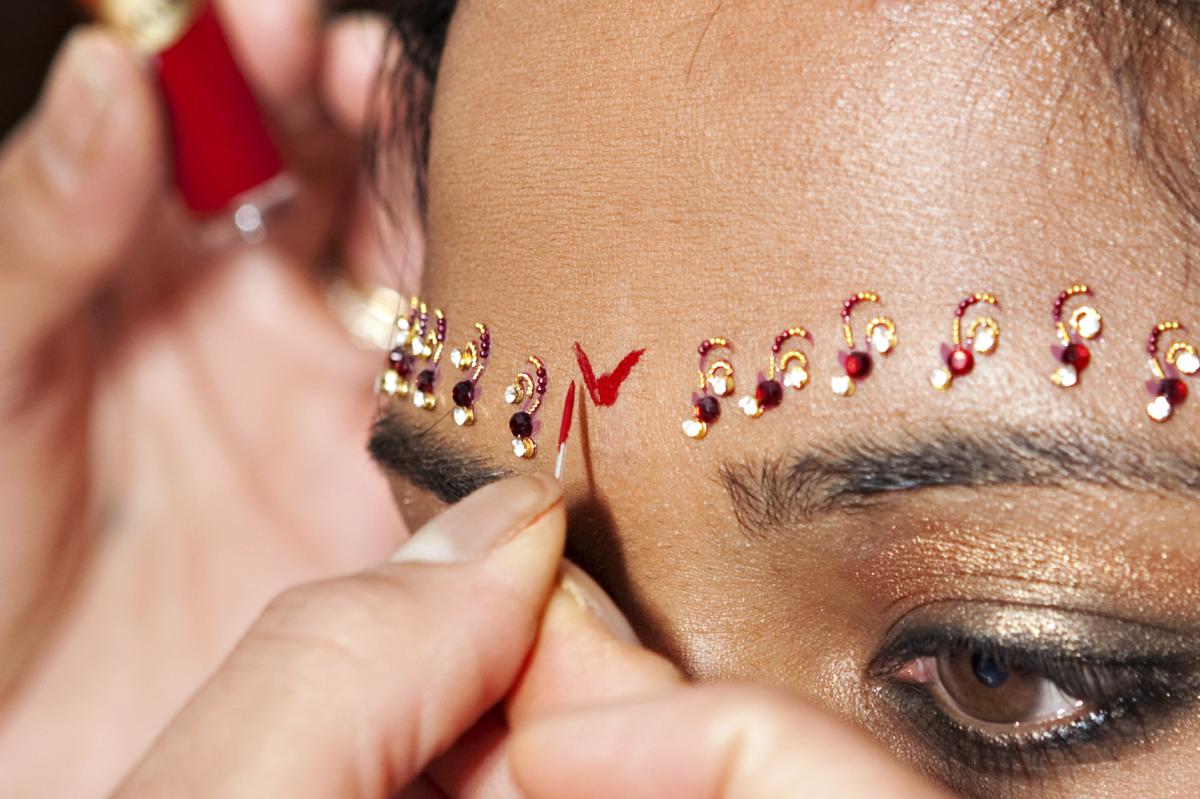
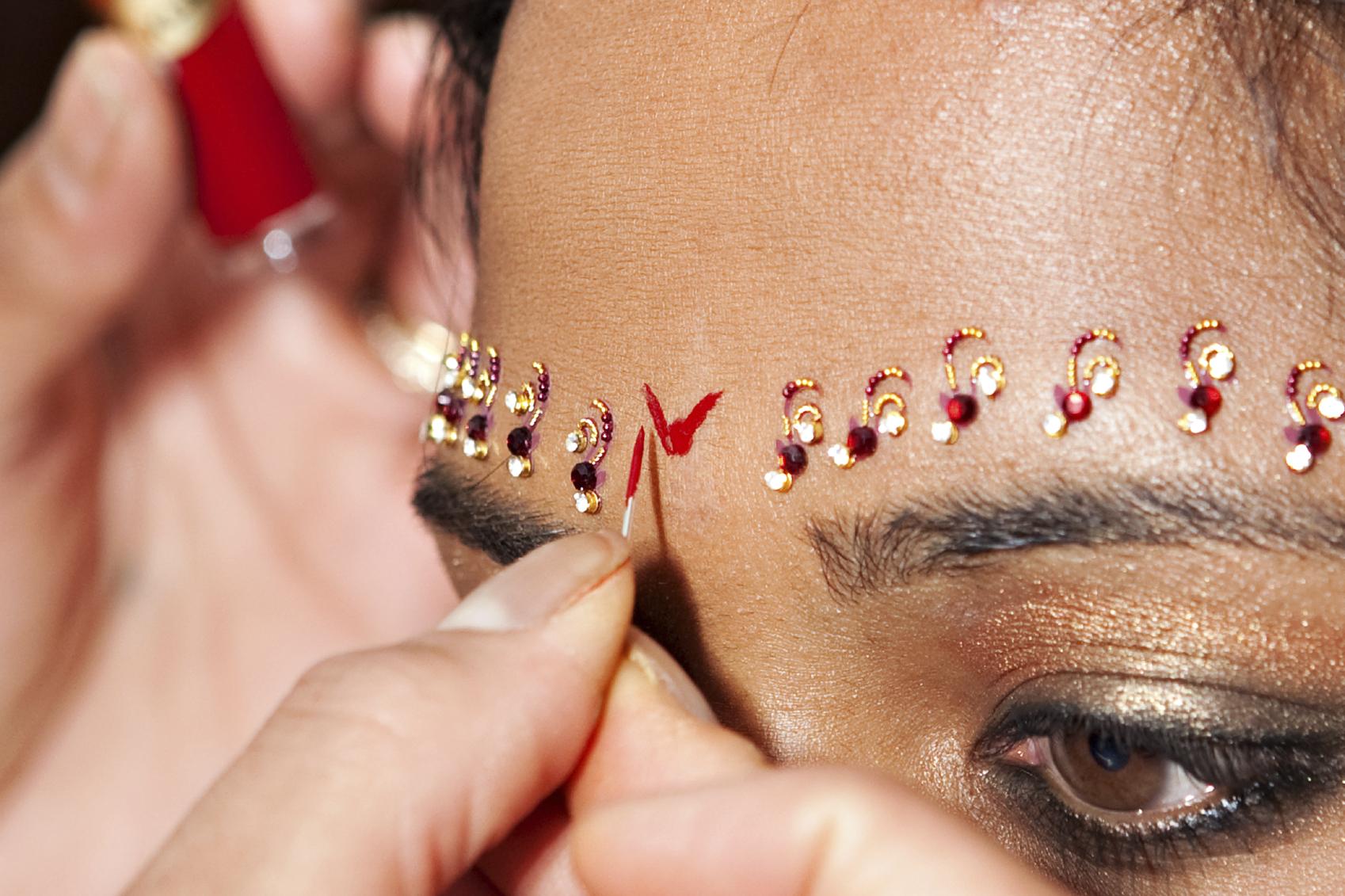
A bindi is a colored dot that Indian men and women place on their foreheads. Its origins date back centuries in India, but it has lost significance in recent times. Today, many Indians wear it mainly as an accessory, especially on religious and cultural occasions. Here at OneHowTo.com, we are going to tell you about the significance of a bindi on your forehead.
Spiritual significance of a bindi
A bindi represents divine sight, symbolizing the third spiritual eye that can see things real eyes cannot. Hindus practice yoga to awaken an inner sight, and a bindi on the forehead reminds them to cultivate this vision and see things from their mind’s eye. Whenever a person sees a bindi on another person’s forehead, he recalls the purpose of his life and remains dedicated towards achieving the supreme goal of self-realization. In many Hindu traditions, this point is associated with inner awareness and concentration, though its interpretation varies among communities.

Marital significance of a bindi
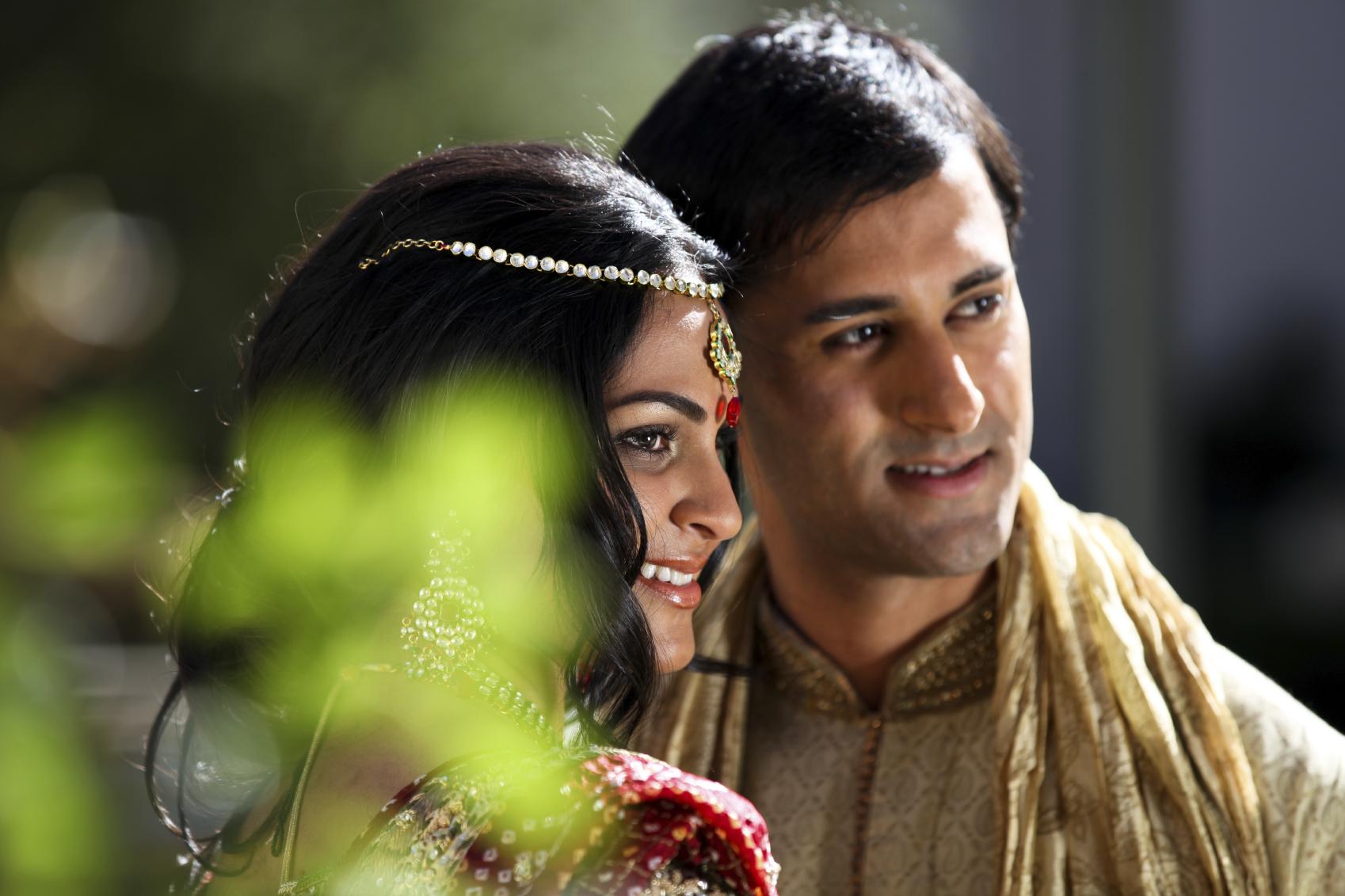
A red bindi in the middle of a woman’s forehead is traditionally considered a sign of marriage in some communities. In some traditions, unmarried girls are encouraged to wear a black bindi to ward off the evil eye, while a black bindi worn by a married woman may be considered inauspicious. A black bindi is also worn by some widows to show that they are no longer involved in the institution of marriage. A red bindi on a married woman’s forehead is traditionally associated with her role as a guardian of her family’s progeny and welfare. These customs vary by region and family, and bindi colors do not have one universal meaning.

Social significance of a bindi
Historically, some Indians used bindis to categorize people in groups as well. Apart from distinguishing married women and unmarried girls, some traditional accounts associate colors with four broad social categories. Brahmins, traditionally described as scholars and priests, wore a white sandalwood bindi to signify purity. A red bindi was associated with valor and worn by Khatriyas, traditionally linked with rulers, warriors and administrators. Vaishyas or businessmen wore a yellow mark to signify prosperity, while people described as the service class or Sudras wore a black bindi to represent their service to other upper classes. These associations are historical, vary across communities, and are not a reliable way to identify someone’s social group today. Nowadays, bindis are also chosen according to face shape and fashion trends.

Medical significance of a bindi
Traditionally, a bindi is worn between the eyebrows, a point associated with inner awareness in some spiritual traditions. The pineal gland, however, is located deep within the brain, not at the forehead. Applying ash or sandalwood at this spot is traditionally believed to help cool the nerves and conserve energy. A bindi can also be made of red and yellow sandalwood, yellow and red turmeric, ash, saffron, flowers, zinc oxide etc. Some of these materials are traditionally valued for their cooling properties, though their effects depend on the substance and how it is applied. However, decorative bindis pasted on the skin are primarily ornaments and do not provide the same traditional effects.
Religious significance of a bindi
In some Indian communities, Vaishnavas apply a red-colored V-shaped bindi with a white I inside it. This shows that they are worshippers of Lord Vishnu. Followers of God Shiva apply ash-colored powder horizontally on their foreheads in three lines. These marks and their designs can vary among communities.
If you want to know more about Indian culture, take a look at the following articles:

If you want to read similar articles to Significance of a Bindi on Your Forehead, we recommend you visit our Culture & Society category.
- Hindu facial markings (Pitt Rivers Museum, University of Oxford)
- Religious clothing and personal appearance in India (Pew Research Center)