How Many Countries Cross the Equator


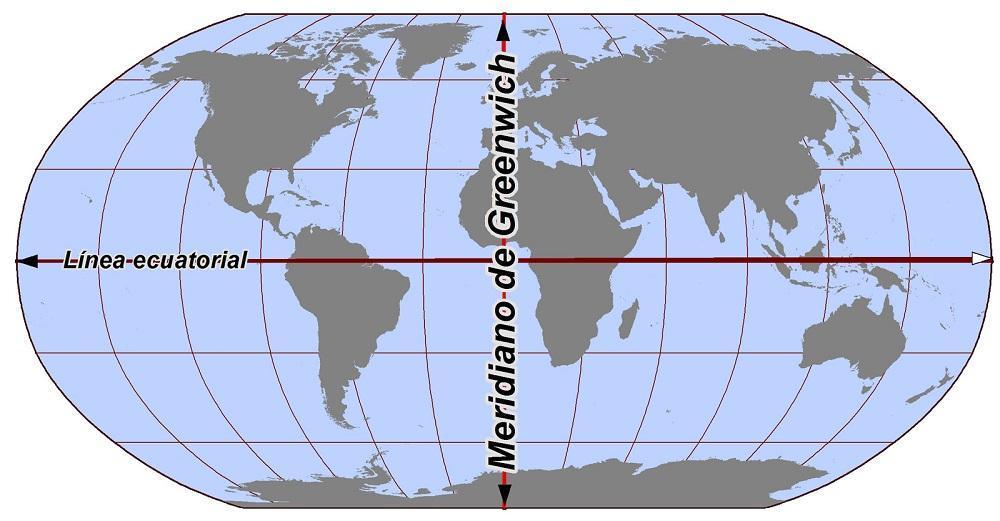
The line of the Equator is an imaginary line that serves to divide our world into two: the northern hemisphere and the southern hemisphere. It is located in the parallel 0 at the same distance from both poles of the planet. It has been drawn horizontally at the point where the earth has a larger diameter and although it mainly cuts through the ocean, it also engulfs some countries.
The latitude of Ecuador is 0 °. This means that all the countries that cross this imaginary line have a funny climate characterized by rainfall throughout the year, mild temperatures and little wind, which is now known as the equatorial climate. Do you want to discover how many countries cross the Equator? Keep reading, because on OneHowTo.com we explore every juicy detail.
The 13 countries that cross the Equator
Although most of the equator passes through the oceans, it also runs through several countries, influencing both astronomy and climate. The countries that cross the equator line are 13 in total:
- In the Americas (Central and South America): Ecuador, Colombia, and Brazil.
- In Africa: Sao Tome and Principe, Gabon, the Republic of the Congo, the Democratic Republic of the Congo, Uganda, Kenya, and Somalia.
- In Asia: The Maldives and Indonesia.
- In Oceania: Kiribati.
The equator plays a significant role in these regions, often affecting the local weather patterns and ecosystems. For instance, the tropical rainforests found in some of these countries are among the most biodiverse places on Earth. Furthermore, the equator's positioning allows for unique astronomical observations, offering clear views of both the northern and southern celestial hemispheres. This geographical feature provides not only climatic benefits but also cultural significance, with many societies near the equator having rich traditions and histories linked to their environment.

Why is it called the Equator?
The word comes from the Latin "aequator" and its meaning is leveler, when the perpendicular plane to the axis of rotation of the Earth and passes right through its center, this line serves to divide the world into two parts: the northern and southern hemisphere. In Ecuador, the sun and the stars take the same time to cross the horizon both above and below, plus the days and nights have the same length throughout the year, these characteristics are attributed to the equalizing character.
This imaginary line has an extension of 40,075 kilometers (24,901 miles), and because its latitude is 0 °, the geographical latitude of other parts of the world is measured from it. The concept of the equator as a leveler is not only a matter of geographical division but also symbolic of balance and equality, as it represents a midway point between the extreme climates of the poles. Historically, the equator has been pivotal for navigation and exploration, guiding sailors and travelers with its consistent positioning relative to the stars.

The climate in equatorial countries
All countries that are at latitude 0 have similar climatic characteristics: rainfall is consistent throughout the year with little wind, and a temperature difference of only 2 °C (3.6 °F) between the warmest and the coldest months predominates, being generally high. This is known as equatorial climate, a hallmark that distinguishes the 13 countries crossed by this line.
This unique climate fosters lush vegetation and diverse wildlife, contributing to rich ecosystems such as tropical rainforests and mangrove swamps. These environments are crucial for global biodiversity and play essential roles in carbon cycling and climate regulation. Moreover, the equatorial climate supports a variety of agricultural activities, allowing for the cultivation of crops like coffee, cocoa, and bananas, which thrive in warm, moist conditions. The consistent climate also impacts human lifestyle and culture, with many communities adapting their housing, clothing, and daily activities to cope with high humidity and rainfall.
If you want to read similar articles to How Many Countries Cross the Equator, we recommend you visit our Learning category.